

For years, the pitch for business software went something like this: one tool that does everything for everyone. Buy the platform, plug in your details, and off you go. It sounded efficient. In practice, a lot of small service businesses ended up with software that technically worked but never quite fit, like a suit bought off the rack that pulls at the shoulders every time you reach for something.
That era is ending. The most useful software in 2026 isn't the one that does the most. It's the one that understands what you actually do all day.
The problem with software built for everyone
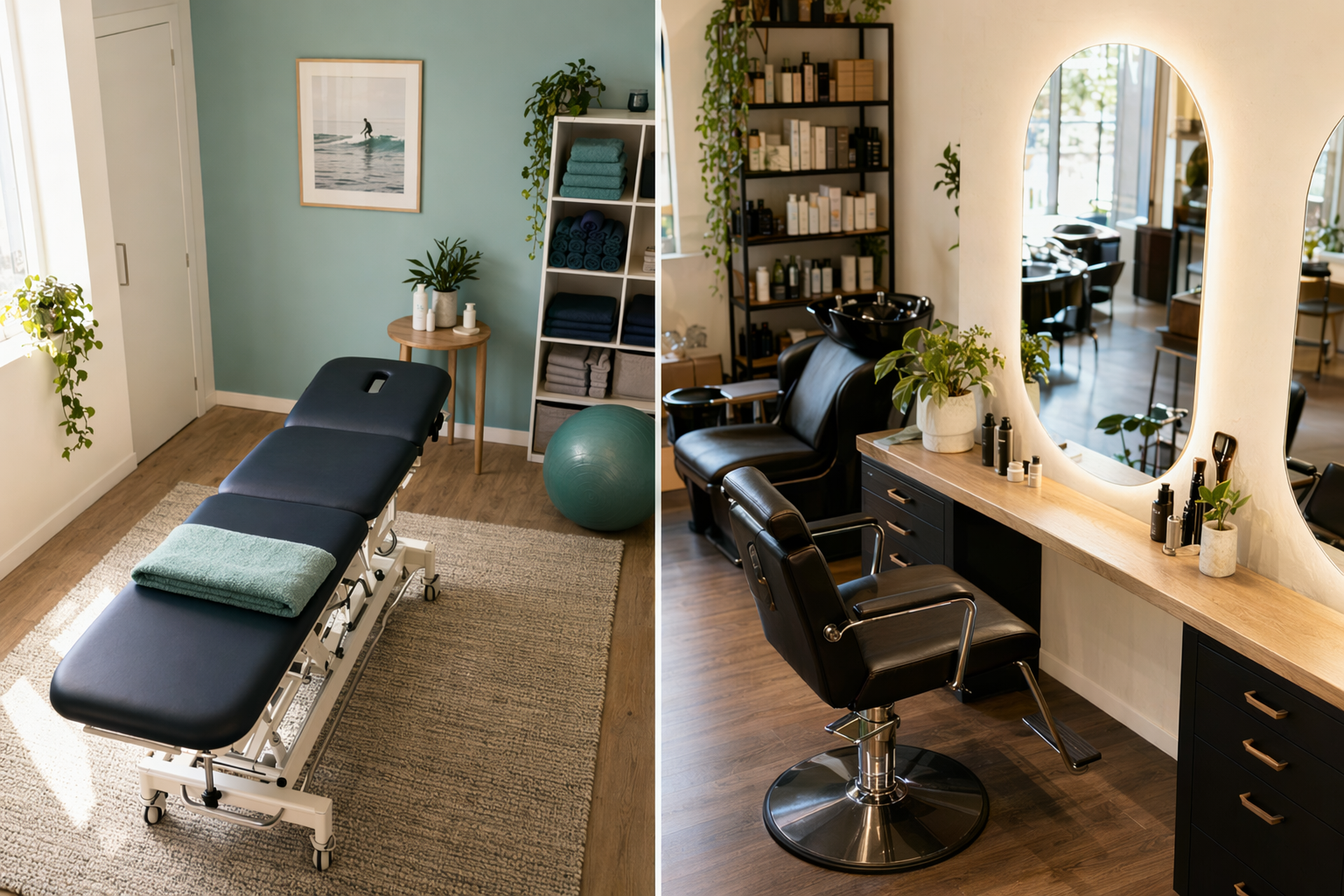
Think about a physiotherapy clinic and a hair salon. On paper they look similar. Both take bookings, both send reminders, both want repeat customers, both juggle a small team. So the generic platform treats them the same way.
But the physio needs to track treatment plans, handle rebookings tied to a course of care, and manage private health claims. The salon needs to manage colour appointments that run long, group bookings for a wedding party, and a loyalty setup that rewards regulars. Give them both the same blank calendar and the same one-size customer form, and both spend their evenings patching the gaps with spreadsheets, sticky notes, and a second app they pay for on the side.
The cost of that mismatch is easy to miss because it shows up as friction rather than a line on an invoice. A booking that a client abandons because the form asked the wrong questions. A follow-up that never went out because the reminder template didn't suit the service. Ten minutes here, fifteen there, every single day.
Why tailored features are finally practical
Industry-specific software isn't a new idea. What's new is that it no longer has to be expensive or clunky to build. For a long time, you had two choices. You could buy a big generic platform and bend your business to fit it, or you could pay a specialist vendor a premium for something narrow that did one job well but ignored the rest of your operation.
AI has changed the maths. A platform can now shape itself around a trade without a developer hand-building every variation. It can suggest the right booking questions for a mobile mechanic, draft marketing that sounds like a dental practice rather than a pizza shop, and flag which leads are worth calling back first based on how your particular business tends to win work. The tailoring that used to require a custom project now happens closer to the surface, where you can actually use it.
This is the part worth paying attention to. The trend isn't really about more features. It's about software that arrives already understanding your world, so you spend less time teaching it and configuring it and working around it.
The catch: tailored can't mean fragmented
Here's where a lot of businesses get caught out. In the rush to get tools that fit their trade, they end up with a booking app for the industry, a separate marketing tool, a rostering thing, a website builder, and a customer list that lives in none of them properly. Each piece fits well on its own. Together they're a mess, and you're the one keeping them in sync at the end of the night.
Specific and unified have to go together. A tailored booking flow is only useful if the enquiry it captures feeds straight into your marketing and your customer history without you copying anything across. Rostering that understands your trade should talk to your bookings, not sit in its own corner. The point of tailoring is to reduce work, and it only does that when everything lives under one login and one subscription.

What this means if you run a service business
When you next look at software, stop asking whether it can do a job and start asking whether it understands yours. Does the demo look like it was built for a business like mine, or is it a blank template dressed up in stock photos? When I add a service, does it already know the sensible questions to ask my customers? When it writes a marketing message, does it sound like my trade or like nobody in particular?
And then ask the harder question. Does all of this sit in one place, or am I about to sign up for the fifth tab I keep open all day?
We built Hixel around exactly this. Not a generic box you have to wrestle into shape, and not a pile of separate apps, but one platform that arrives understanding your industry and keeps your website, bookings, marketing, team, and operations together. We also care that it's built for Australian businesses, with privacy, compliance, and local support in mind, because a tool that understands your trade should understand where you operate too.
The businesses that will pull ahead over the next few years aren't the ones with the most software. They're the ones whose software finally fits, so they can get back to the actual work. Off the rack was fine when there was nothing better. There is now.
