


The pitch is everywhere now. Start for free. Nine dollars a month. Cancel anytime. Software companies have figured out that the fastest way to win a small business customer is to make the first step almost painless. And for the most part, that is a good thing. It has never been easier or cheaper for a plumber, a physio, or a small studio to get a proper website, a booking system, and a way to email their customers.
But I want to make an argument that sounds a little contrary coming from a company that sells software on a subscription: a low starting price is not the number that matters. What matters is what your business actually costs to run once all the pieces are in place. And for a lot of small businesses in Australia right now, that number has quietly crept up while nobody was watching.
The stack tax
Here is how it usually happens. You start with one tool for your website. Then you add a booking app because the website could not do it well. Then an email platform. Then a design tool for the graphics. Then something for team rosters. Then a CRM because the spreadsheet fell apart. Each one seemed reasonable on its own. Fifteen dollars here, twenty-nine there, a free tier that stopped being free once you grew.
Add it up and the average service business is now paying for five or six subscriptions, none of which talk to each other properly. I call this the stack tax. It is not just the money, though the money is real. It is the hour you lose every week copying a customer's details from the booking tool into the email tool. It is the Sunday night spent working out which app has the right phone number. The cheap starting price got you in the door, and then the complexity moved in and made itself at home.

Flexible pricing is a promise, not a trick
I do not think subscription pricing is the problem. Done honestly, it is one of the best things to happen to small business software. Twenty years ago you paid thousands up front for a licence, plus a consultant to install it, and you were stuck with whatever you bought. Paying month to month for something you can leave is a fairer deal. It shifts the risk onto the software company, where it belongs. If we stop being useful to you, you stop paying us. That is how it should work.
The trend toward lower entry barriers is real and it is helping people start. The Australian SaaS market has grown quickly precisely because a sole trader can now afford tools that used to be reserved for big firms. That is worth celebrating.
What I am wary of is the version of flexible pricing that is really a hook. The free plan that becomes expensive the moment you succeed. The per-seat cost that punishes you for hiring. The add-on that turns out to be the feature you needed all along. When the price is designed to look small and then grow with you in ways you cannot see coming, that is not flexibility. That is a trap with a friendly font.
The number to actually watch
So here is the practical advice, and it costs you nothing. Before you sign up for anything, do not ask what it costs to start. Ask what it costs to run for a year at the size you actually want to be. Count every tool in your current stack. Count the ones you forgot you were paying for. Then count the time. If you or a staff member spend three hours a week wrangling software instead of serving customers, put a dollar figure on that too, because it is the most expensive line item and it never shows up on an invoice.
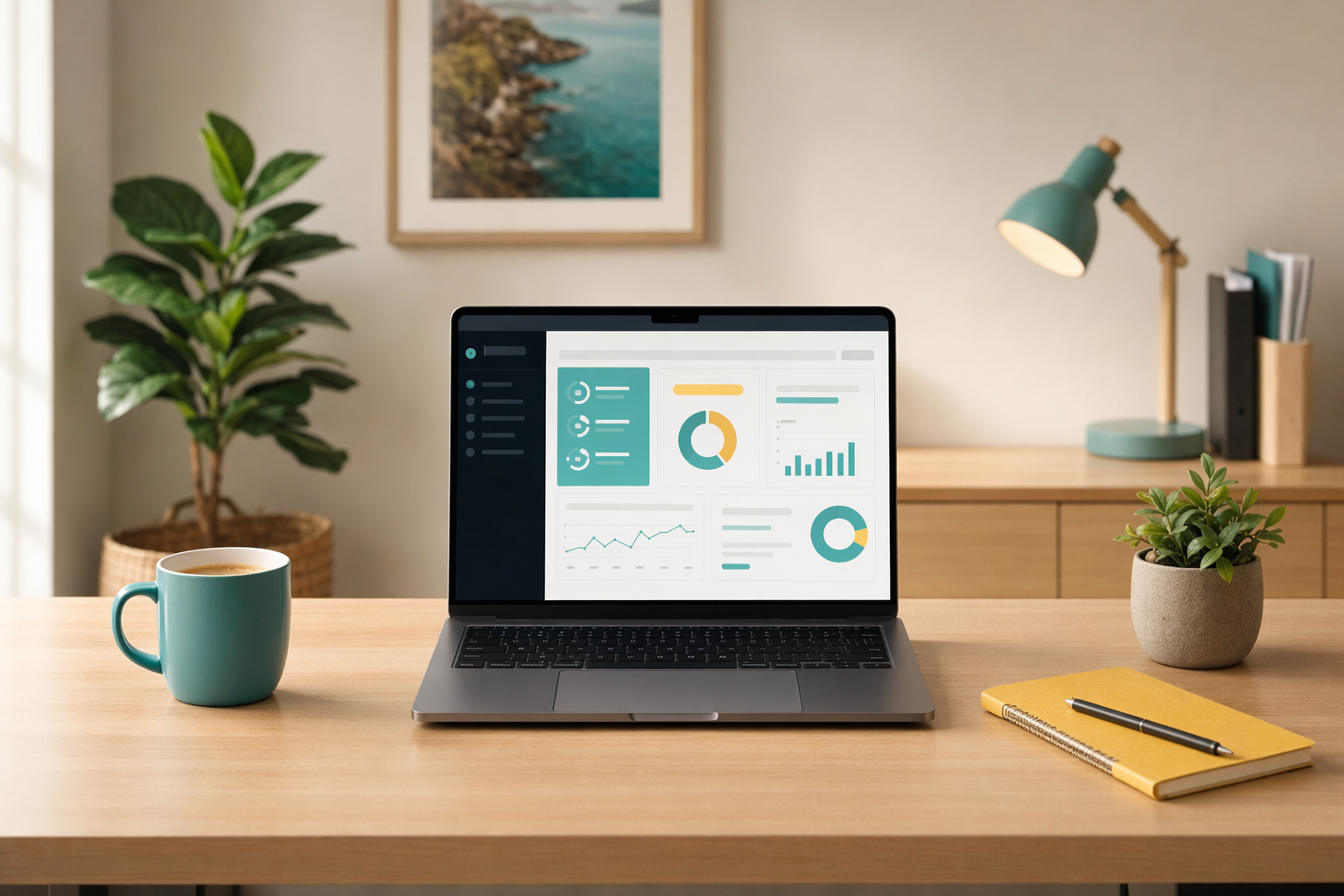
When you look at it that way, the maths often flips. A single platform that handles your website, bookings, marketing, team, and operations under one login and one subscription can cost more per month than any one of the little tools. But it usually costs less than all of them together, and it hands back the hours you were losing to the gaps between them. That is the trade we think small businesses should be measuring: not cheapest to enter, but cheapest to actually operate.
Where this is heading
The reason we build Hixel Space the way we do is that we think the all-in-one approach and honest pricing belong together. It is easy to sell a low starting price when you know the customer will end up buying six add-ons. It is harder, and better, to give someone a clear picture of what running their business on your platform will cost, including local support and compliance with the Australian Privacy Act, and then stand behind it.
The market is moving toward simpler, consolidated tools for a reason. People are tired of the stack tax. The businesses that win the next few years will be the ones that are honest about the full cost, not just the entry fee. Cheap to start is a fine way to say hello. Cheap to run is how you build something that lasts.
So the next time a subscription tells you it is free to begin, take the invitation, but bring a calculator. Ask what it looks like in a year. The answer tells you whether they are building a relationship or setting a trap.
